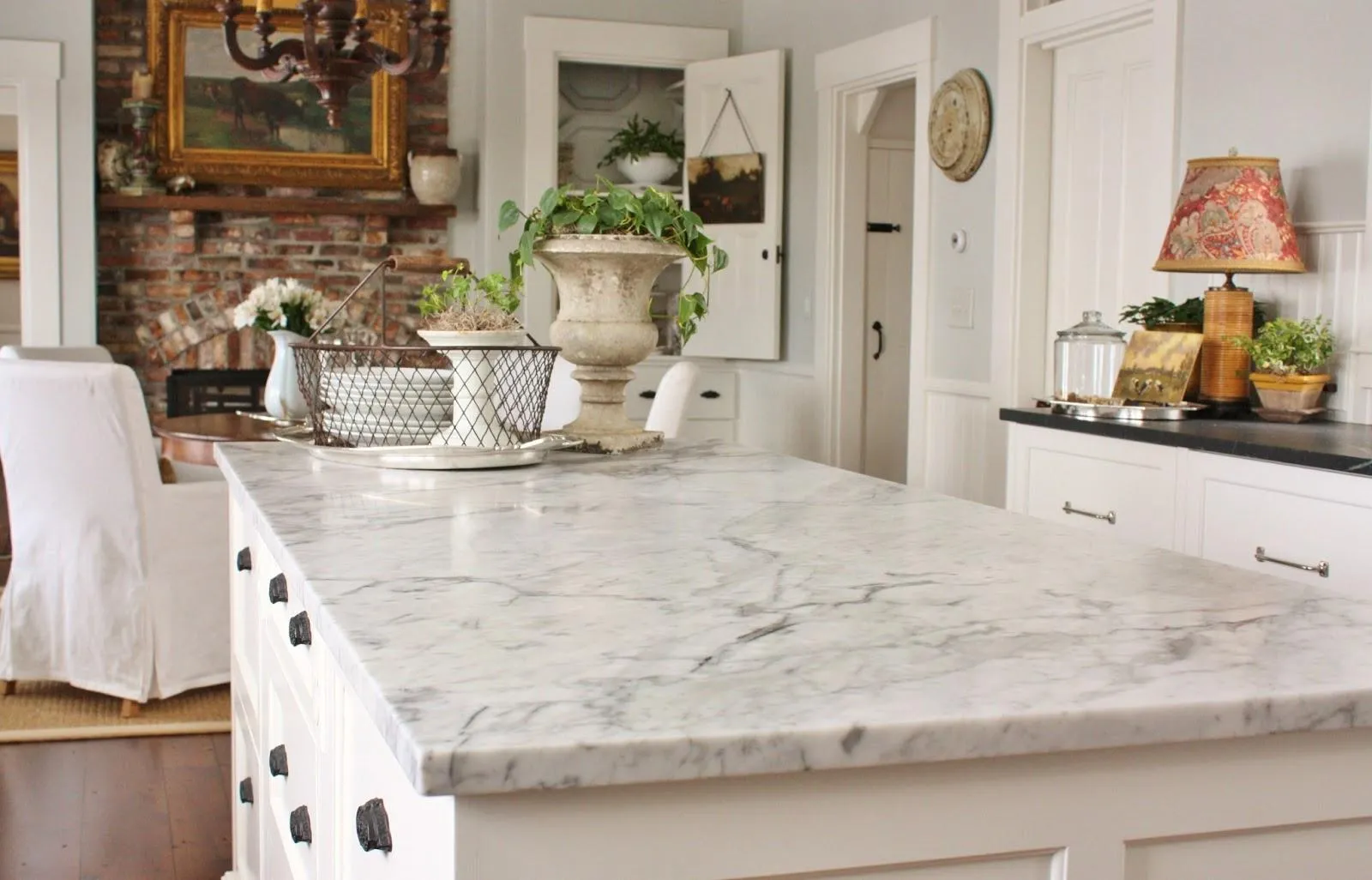
If you’re planning a kitchen or bathroom renovation, you may already know about the recent ban on engineered stone in Australia, effective from July 1, 2024. This regulation aims to protect workers from the health risks associated with silica inhalation, but it also means homeowners and renovators need to look for other options for benchtops and surfaces.
While this might seem like a challenge, it opens up opportunities to explore alternative materials that are just as functional, stylish, and durable. Here’s a comprehensive guide to the top alternatives to engineered stone, along with their benefits, drawbacks, and how they can fit into your design vision.
Why Look for Alternatives to Engineered Stone?

Engineered stone has been popular for its durability, affordability, and aesthetic appeal. However, its high silica content has led to significant health concerns for construction workers when cutting or polishing the material. The ban reflects a growing awareness surrounding safety standards in the building industry.
Fortunately, there are plenty of excellent alternatives available that meet both safety requirements and design expectations.
1. Ultracompact Surfaces
What are They?
Ultracompact surfaces are made by subjecting raw materials found in glass, porcelain, and quartz to extreme heat and pressure. This creates an extremely dense and durable surface.
Why Choose Ultracompact Surfaces?
- Highly Durable: They resist chipping, scratching, and extreme temperatures.
- Non-Porous: Perfect for areas prone to spills, as they don’t absorb liquids.
- Eco-Friendly: Recyclable material with a smaller environmental footprint compared to some alternatives.
Best For: Sleek, modern designs needing a high-performance finish.
Drawback: They come with a higher price tag, making them a premium option.
2. Porcelain Benchtops
What is Porcelain?
Porcelain benchtops are made from refined clay and kiln-fired at very high temperatures. They are often coated with a pigmented glaze to replicate the look of natural stone.
Why Choose Porcelain?
- Durable and Heat-Resistant: You can place hot pots and pans directly on porcelain without damage.
- Outdoor-Friendly: Porcelain is highly resistant to UV light, making it ideal for outdoor kitchens.
- Lightweight: Easier to transport and install compared to heavier materials.
Best For: Homes aiming for elegance with a marble-like finish.
Drawback: Porcelain slabs are thin and may crack during installation if not handled carefully.
3. Natural Stone
What Includes Natural Stone?
Materials like granite, marble, and quartzite fall under the natural stone category, each offering distinct patterns and colors created by nature.
Why Choose Natural Stone?
- Unique Appearance: Each slab is one of a kind, adding character and sophistication.
- Durability: Granite and quartzite are especially robust, resistant to stains and heat.
Best For: Homeowners who prioritize aesthetics and don’t mind the maintenance that comes with marble.
Drawback: Marble is porous and scratches easily, requiring regular sealing to maintain its beauty.
4. Laminate
What is Laminate?
Laminate benchtops are made from layers of synthetic material bonded together, with a decorative surface that mimics the look of stone, timber, or concrete.
Why Choose Laminate?
- Affordability: Hands down the most budget-friendly material on this list.
- Huge Variety: Available in hundreds of colors and patterns, including realistic stone and woodgrain finishes.
- Low Maintenance: Easy to clean and resistant to most stains.
Best For: Budget-friendly renovations or secondary spaces like laundry rooms.
Drawback: It’s less durable than other options and can be prone to heat damage and scratches.
5. Solid Surfaces (e.g., Corian)
What Are Solid Surfaces?
Made from a mix of acrylic resin and natural materials, solid surfaces like Corian are seamless and moldable into various shapes.
Why Choose Solid Surfaces?
- Hygienic: Non-porous, making them resistant to mold and bacteria.
- Repairable: Scratches and damage can be buffed out easily.
- Versatile: Can include integrated sinks or curved edges for a sleek look.
Best For: Modern kitchens with minimalist aesthetics.
Drawback: Falls on the expensive side and isn’t as heat-resistant as natural stone.
6. Timber
What is Timber?
Timber benchtops are crafted from natural wood like oak, walnut, or birch. Each type of wood offers its own color and grain pattern.
Why Choose Timber?
- Warm Aesthetic: Adds a natural and cozy feel to any space.
- Customizable: It can be sanded down and resurfaced over time.
- Eco-Friendly: When sourced responsibly, it’s a sustainable option.
Best For: Rustic or Scandinavian-inspired interiors.
Drawback: Timber is prone to scratching, staining, and warping if not properly maintained.
7. Recycled Glass
What is Recycled Glass?
Recycled glass benchtops are made from crushed glass pieces set in a resin or concrete base. These are a newer option emerging in Australia.
Why Choose Recycled Glass?
- Eco-Friendly: Made from post-consumer glass, it’s one of the greenest options available.
- Unique Aesthetic: Offers a distinctive, colorful look.
Best For: Eco-conscious homeowners looking for something bold and different.
Drawback: Limited availability and higher upfront costs.
8. Concrete
What is Concrete?
Concrete benchtops are poured and set with a unique, industrial look.
Why Choose Concrete?
- Versatile Design: Can be cast into custom shapes and sizes.
- Durable: With proper sealing, it lasts for years.
Best For: Industrial or modern designs.
Drawback: Porous and prone to staining without regular sealing.
Comparing Different Benchtop Materials
Granite vs. Quartz: Which is Better?
When considering alternatives to engineered stone for kitchen applications, granite and quartz are two popular options. Granite, a natural stone, offers unique colours and patterns and excellent heat resistance. Quartz, typically engineered stone, provides greater consistency in colour and is non-porous. However, concerns surrounding silica content may lead individuals to favour granite, particularly now with the ban of engineered stone in Australia in 2024.
Laminate vs. Engineered Stone
Laminate benchtops present a budget-friendly alternative to engineered stone, offering a wide range of colour and pattern options, including those that mimic natural stone or timber. While laminate may not possess the same durability or scratch resistance as engineered stone, advancements in technology have improved its performance. For those seeking an affordable and stylish option, laminate can be a viable benchtop choice, especially in areas where the ban on engineered stone is in effect.
Acrylic and Corian: Pros and Cons
Acrylic and Corian, as solid surface materials, offer unique benefits as benchtop alternatives. Their seamless nature provides a hygienic and easy-to-clean surface. However, they are less heat-resistant and scratch-resistant than options like granite or quartz. The ability to repair scratches and dents easily makes them a practical choice for some, but their susceptibility to damage should be considered when evaluating alternatives to engineered stone benchtops.
Which Option is Best For You?
Choosing the right material depends on several factors:
-
Budget
-
Design Preferences
-
Maintenance Level
-
Functional Requirements
When exploring Alternatives To Engineered Stone, the choice really comes down to lifestyle and priorities. For a polished look with durability, ultracompact surfaces or porcelain are fantastic options. If you’re looking for affordability, laminate or timber might be a better fit. Design enthusiasts might gravitate toward natural stone or recycled glass for their signature aesthetics.
Transform Your Home with Emporium Stone
No matter your choice, the team at Emporium Stone is here to guide you. With expertise in all these materials, we’ll help you select a benchtop that not only suits your lifestyle but enhances the character of your space.
Explore more by visiting our homepage or contacting our team today. Let’s make your design vision a reality.