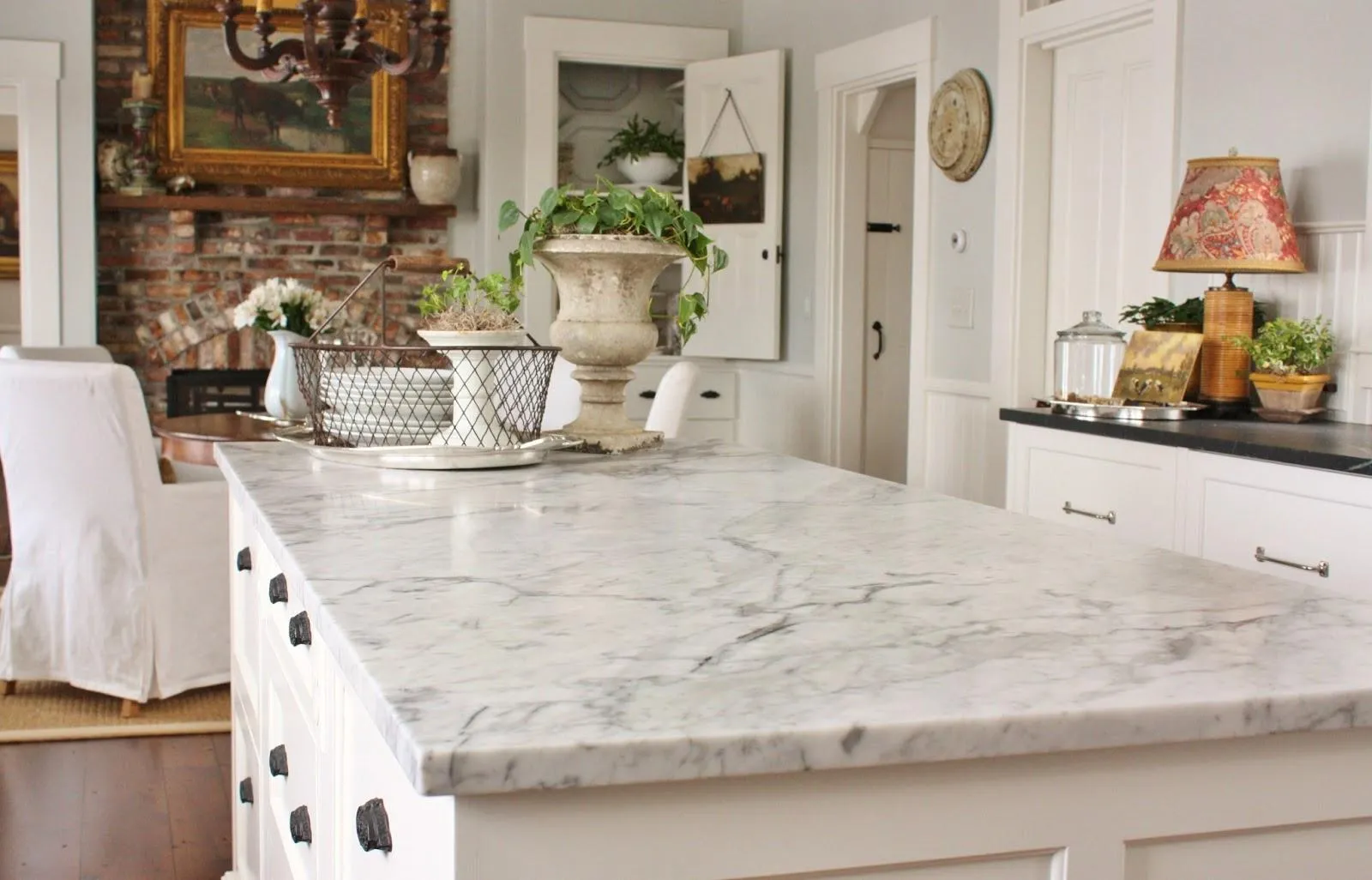
Stone benchtops are a timeless and elegant choice for kitchens, bathrooms, and other spaces. They offer durability, beauty, and functionality, making them a popular option for homeowners and designers alike. However, with so many types of stone benchtops available, choosing the right one can be overwhelming. In this guide, we’ll explore the different types of stone benchtops, their unique features, pros and cons, and how to choose the best one for your needs.
What Are Stone Benchtops?
Stone benchtops are countertops made from natural or engineered stone. They are commonly used in kitchens, bathrooms, laundry rooms, and even outdoor spaces. Stone benchtops are prized for their durability, aesthetic appeal, and ability to add value to a home. Whether you prefer the unique beauty of natural stone or the consistency of engineered stone, there’s a benchtop option to suit every style and budget.
Types of Natural Stone Benchtops
Natural stone benchtops are quarried directly from the earth, making each slab unique. Here are the most popular types:
1. Granite
- Description: Granite is a durable, heat-resistant stone available in a wide range of colors and patterns. It’s one of the most popular choices for kitchen benchtops.
- Pros:
- Extremely durable and long-lasting.
- Heat-resistant, making it ideal for kitchens.
- Adds significant value to your home.
- Cons:
- Requires regular sealing to prevent stains.
- Can be expensive, depending on the rarity of the stone.
- Statistics: Granite benchtops are used in over 30% of Australian kitchens, according to industry reports.
2. Marble
- Description: Marble is a luxurious stone known for its distinctive veining and timeless elegance. It’s often used in high-end kitchens and bathrooms.
- Pros:
- Beautiful and unique appearance.
- Heat-resistant, perfect for baking enthusiasts.
- Cons:
- Porous and prone to staining.
- Requires regular maintenance, including sealing.
- Can be expensive.
- Fun Fact: Marble has been used in architecture and design for centuries, dating back to ancient Greece and Rome.
3. Soapstone
- Description: Soapstone is a smooth, non-porous stone with a soft, matte finish. It’s often used in traditional or rustic kitchens.
- Pros:
- Resistant to stains and bacteria.
- Develops a natural patina over time, adding character.
- Cons:
- Soft and can scratch easily.
- Limited color options (usually gray or green tones).
4. Limestone
- Description: Limestone is a soft, earthy stone that adds warmth and texture to a space. It’s ideal for a rustic or natural look.
- Pros:
- Unique texture and appearance.
- Adds warmth to a space.
- Cons:
- Porous and requires regular sealing.
- Prone to etching from acidic substances.

Types of Engineered Stone Benchtops
Engineered stone benchtops are made by combining crushed stone with resin and pigments. They offer the look of natural stone with added durability and consistency.
1. Quartz
- Description: Quartz is the most popular engineered stone, made from crushed quartz mixed with resin. It’s available in a wide range of colors and patterns.
- Pros:
- Non-porous and resistant to stains.
- Low-maintenance and easy to clean.
- Highly durable and scratch-resistant.
- Cons:
- Can be damaged by excessive heat.
- Less unique than natural stone.
- Statistics: Quartz benchtops account for over 40% of the market share in Australia, according to recent industry data.
2. Caesarstone
- Description: Caesarstone is a premium brand of engineered quartz, known for its high quality and innovative designs.
- Pros:
- Durable and scratch-resistant.
- Available in a wide range of styles and colors.
- Cons:
- Higher cost compared to other engineered stones.
3. Porcelain
- Description: Porcelain benchtops are made from refined clay and minerals, offering a sleek and modern look.
- Pros:
- Scratch-resistant and heat-resistant.
- Non-porous and easy to maintain.
- Cons:
- Can be brittle and prone to chipping.
Maximizing Small Spaces with Custom Stone Benchtops

For small kitchens and bathrooms, custom stone benchtops are the secret weapon to achieving a luxurious, functional, and visually expanded space.
Why Custom Fabrication is Key in Compact Homes
-
Seamless Fit for Awkward Layouts: Custom fabrication allows you to design a benchtop that utilizes every centimeter, eliminating dead zones in narrow nooks or L-shaped corners.
-
Visual Expansion: High-gloss or polished stone finishes reflect light, visually enlarging the space. Light-colored stone (like white quartz or beige marble) enhances brightness and depth.
-
Long-Term Durability: Unlike standard laminate, custom stone withstands daily wear, moisture, and temperature fluctuations, ensuring your investment lasts.
Clever Stone Ideas for Small Kitchens and Bathrooms
-
Slimline Benchtops (20mm): Choosing thinner slabs prevents the surface from visually overwhelming the small room, keeping the look light and modern.
-
Integrated Stone Sinks: Integrating the sink into the benchtop using the same stone minimizes seams and enhances flow, especially effective in galley kitchens.
-
Floating Vanities: Stone-topped wall-mounted vanities expose the floor beneath, creating the crucial illusion of more space in small bathrooms or powder rooms.
Comparison of Natural vs. Engineered Stone
| Feature | Natural Stone | Engineered Stone |
|---|---|---|
| Appearance | Unique patterns | Consistent design |
| Durability | Durable but porous | Highly durable |
| Maintenance | Requires sealing | Low-maintenance |
| Cost | Often more expensive | Generally affordable |
| Eco-Friendliness | Quarrying impacts | Often uses recycled materials |
How to Choose the Right Stone Benchtop
When selecting a stone benchtop, consider the following factors:
- Budget: Determine how much you’re willing to spend. Natural stone is often more expensive, while engineered stone offers a more budget-friendly option.
- Aesthetic Preferences: Choose a stone that complements your design style. For example, marble offers a luxurious look, while quartz provides a modern aesthetic.
- Lifestyle: Consider how much maintenance you’re willing to do. Engineered stone is ideal for busy households, while natural stone requires more care.
- Functionality: Think about how the benchtop will be used. For example, granite is ideal for high-traffic kitchens, while marble is better suited for low-traffic areas.
Popular Stone Benchtop Options in Australia
In Australia, quartz is the most popular choice for benchtops, followed by granite and marble. According to industry reports:
- Quartz accounts for over 40% of the market share.
- Granite is used in 30% of kitchens.
- Marble is preferred for luxury projects but requires more maintenance.
For a wide selection of stone benchtops, visit Emporium Stone, a trusted supplier in Australia offering both natural and engineered stone options.
Maintenance Tips for Stone Benchtops
Natural Stone:
- Seal regularly to prevent stains.
- Clean with a pH-neutral cleaner.
- Avoid harsh chemicals and abrasive tools.
Engineered Stone:
- Wipe spills immediately to prevent staining.
- Use mild soap and water for cleaning.
- Avoid placing hot pans directly on the surface.
5 Surprising Facts About Types of Stone Benchtops
- Granite is one of the hardest natural stones, making it highly resistant to scratches and heat.
- Quartz benchtops are engineered stone products, composed of about 90% crushed stone and 10% resin, offering a non-porous surface.
- Marble, while beautiful and elegant, is more susceptible to staining and etching compared to granite and quartz.
- Soapstone has a unique ability to withstand heat, making it ideal for areas where hot pots and pans may be placed directly.
- Limestone benchtops can provide a rustic aesthetic, but they require regular sealing to prevent damage from moisture and stains.
Stone benchtops are a timeless and elegant choice for kitchens, bathrooms, and other spaces. They offer durability, beauty, and functionality, making them a popular option for homeowners and designers alike. However, with so many types of stone benchtops available, choosing the right one can be overwhelming. In this guide, we’ll explore the different types of stone benchtops, their unique features, pros and cons, and how to choose the best one for your needs.
FAQs About Stone Benchtops
Can I use natural stone in a busy kitchen?
Yes, but it requires regular maintenance to keep it looking its best.
Is engineered stone as durable as natural stone?
Yes, engineered stone is highly durable and often more resistant to stains and scratches.
Which stone is best for resale value?
Natural stone, like granite or marble, often adds more value to your home.
Are stone benchtops too heavy for small apartments?
Not necessarily. Modern fabrication techniques allow for slimline, lightweight options that are perfect for apartments.
Which type of stone is best for small kitchens?
Quartz and light-colored marble are popular as they are durable, low-maintenance, and brighten the space.
Do custom stone benchtops cost more than standard ones?
Yes, but they maximize space efficiency and increase property value—making them a long-term investment.
Conclusion
Stone benchtops offer a diverse range of options. Whether you prioritize the unmatched elegance of natural marble, the practicality of engineered quartz, or the resilience of porcelain, there is a perfect material to suit your style and budget. Remember that for small spaces, the right custom stone benchtop is essential for both function and visual luxury.
Ready to explore your options and maximize your home’s potential? Visit Emporium Stone to discover their extensive range of natural and engineered stone benchtops and discuss your custom project.